

When installing a water heater in North Richland Hills, TX, the same costly mistakes keep popping up. Underestimating daily hot water needs leaves households short during peak usage. Overlooking local building codes can lead to fines, failed inspections, or unsafe installations. Poor ventilation creates safety risks and shortens the unit’s life. And skipping professional installation almost always trades a small upfront savings for far larger repair bills down the road. As plumbers serving North Richland Hills, we have key insights every homeowner should know before installing a new water heater.
Common Missteps in Sizing Your Water Heater
Sizing is where most water heater problems start. In our work throughout North Richland Hills, we see homeowners regularly default to the same capacity as the previous tank, even when their family size, fixture count, or hot water habits have changed since the last install.
The most common sizing mistakes include:
- Underestimating daily hot water demand: The number of people in the household, daily routines, and peak usage times all factor into what size unit will actually keep up
- Assuming all models perform the same, Energy factor ratings vary significantly, and the right balance of size and efficiency makes a real difference in long-term operating costs.
- Overlooking recovery rate: The recovery rate is the time it takes a heater to bring a fully drained tank back up to temperature. A unit with a slow recovery leaves you without hot water at exactly the wrong moment.
A professional water heater replacement and installation starts with the math, so the unit that goes in actually fits your household’s hot-water use. Getting sizing right from the start saves real money over the life of the system.
Ignoring Local Building Codes and Regulations
Skipping local building codes during a water heater installation can feel like a shortcut, but it almost always ends up costing more. North Richland Hills, like the rest of Tarrant County, has specific code requirements for venting, expansion tanks, sediment traps, drip pans, and seismic strapping depending on the situation.
Ignoring those rules can lead to:
- Failed inspections that require the work to be redone
- Fines and insurance complications
- Voided manufacturer warranties
- Real safety hazards, including gas leaks, scald risks, and water damage from improperly secured units
Based on what we see in North Richland Hills homes near Iron Horse Golf Course and across the broader NRH2O area, the most common code issues are missing drip pans on second-floor installations, undersized venting, and the absence of thermal expansion tanks. A qualified plumber handles all of that as part of a complete installation, so the job passes inspection on the first try and the unit’s warranty remains intact.
Underestimating the Importance of Ventilation
Ventilation is the quietest yet most consequential safety detail in any combustion water heater installation. When venting is sized incorrectly, sloped the wrong direction, or routed through the wrong materials, the results can range from inefficient operation to dangerous backdrafting of carbon monoxide into the home.
Adequate airflow keeps the unit firing cleanly, protects the burner assembly, and prevents condensation from collecting in areas where it can cause corrosion. In North Richland Hills homes, venting through tight utility closets and multi-story attic runs is especially common, and those configurations are where most ventilation mistakes go undetected until a problem surfaces.
Poor ventilation also shortens the unit’s life. When a heater cannot breathe properly, it works harder, burns less efficiently, and is far more likely to need early repairs. This is particularly relevant for homeowners considering a switch to a tankless model, where proper venting engineering is even more critical to performance and safety.
Skipping Professional Installation: Why It Matters
Professional installation looks like an avoidable expense right up until something goes wrong. Modern water heaters, both tank and tankless, are complex systems that involve gas or electrical connections, venting, plumbing, expansion control, and code-driven safety components. Improper installs are the most common cause of premature leaks, inefficient heating, and outright safety hazards.
The total cost of correcting a botched install almost always exceeds what a licensed plumber would have charged to do it right the first time. A professional brings trained eyes to every connection, the right tools for proper torque and clearances, and accountability for the finished work.
At Larry Stinson Plumbing, every installation is backed by clear documentation and an artistry warranty. That level of accountability matters most when dealing with sealed-combustion units, condensing systems, or anything connected to your gas supply line. Our water heater repair and service team approaches every job with the same standard, regardless of unit type or complexity.
Neglecting Regular Maintenance After Installation
Once the new water heater is in, it is easy to set it and forget it until something goes wrong. The trouble is that every year of neglect compounds, turning manageable maintenance tasks into expensive repairs.
Key maintenance practices that protect the investment include:
- Annual tank flushing: Sediment accumulates at the bottom of the tank over time, especially in North Richland Hills, due to regional water hardness. Flushing removes that buildup before it hurts efficiency or damages the heating element.
- Anode rod replacement: This sacrificial component protects the tank interior from corrosion. Replacing it every few years is one of the most cost-effective ways to extend the unit’s useful life.
- Temperature and pressure relief valve testing: This safety component should be checked periodically to confirm it functions correctly
- Visual inspections: Checking connections, the area around the base, and any accessible pipe fittings for early signs of moisture or corrosion takes only minutes and can catch a developing problem well before it becomes a failure
A regular maintenance plan with an experienced Tarrant County plumbing team keeps the unit running at full capacity and extends its service life as far as possible.
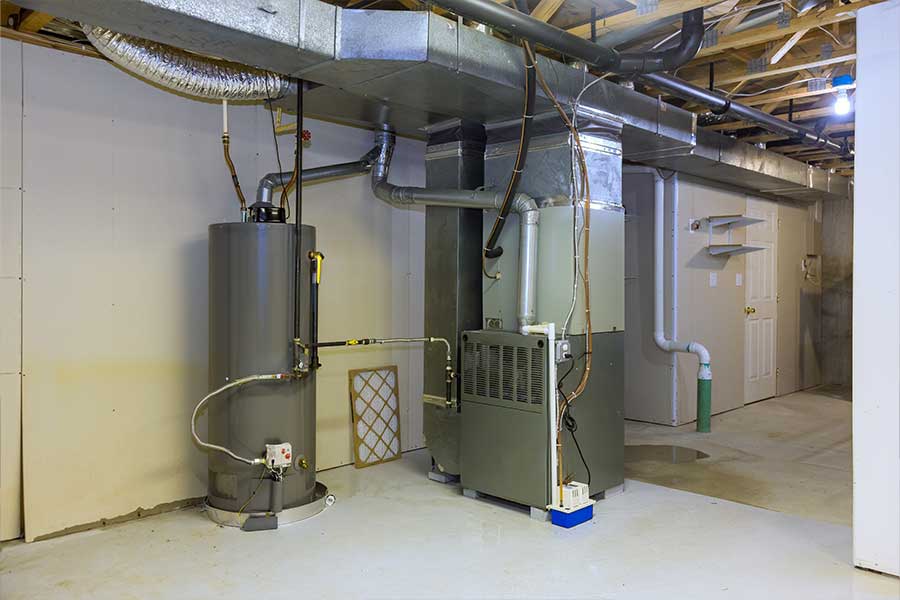
Stinson Knows the Way to a Smarter Water Heater Setup
Steering clear of these costly missteps comes down to doing the planning work upfront: sizing the unit correctly for your household, following local code, venting it properly, using a licensed professional for the install, and staying current on maintenance once it is in. Each step protects the investment, the warranty, and the long-term comfort of your North Richland Hills home. At Larry Stinson Plumbing & Water Heater Repair, we bring more than a decade of hands-on experience to every installation and are committed to getting it right the first time. When you are ready to plan a new install or replace an aging system, contact our team today, and we will walk you through the right setup for your home.