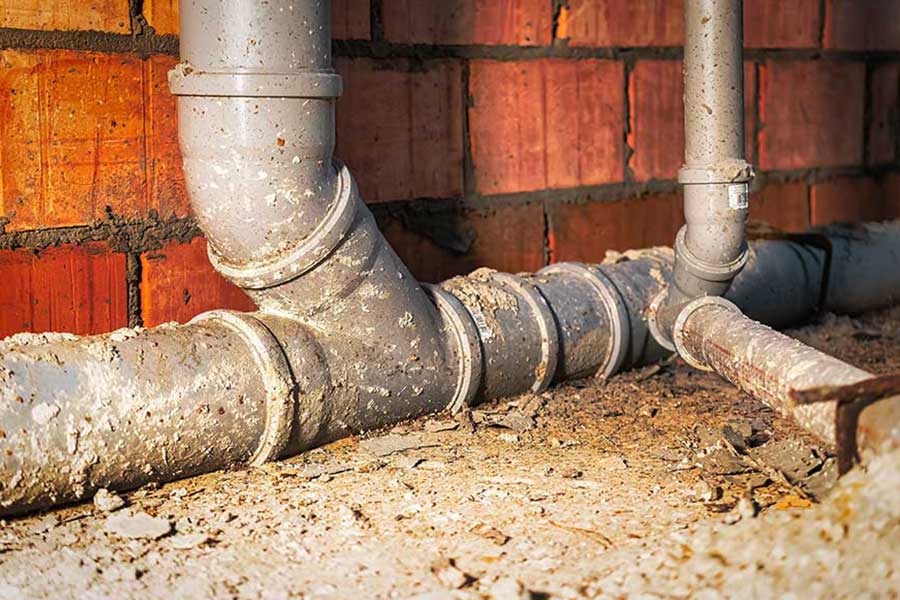
Have you ever wondered how rainy weather could affect your sewer line? In Fort Worth, TX, the impact can be more significant than you might think. During heavy rains, your plumbing system may show warning signs that shouldn’t be ignored. From unpleasant odors to unusual gurgling sounds, these indicators could save you from costly repairs. Let’s investigate these signs so you can take timely action and protect your home.
1. Unpleasant Odors Emanating From Drains
When rainy weather hits, you might notice unpleasant odors emanating from your drains. These odors can signal that your sewer line is struggling under the weight of excess rainwater. As the ground becomes saturated, it can lead to backups and overflows, pushing unpleasant smells back into your home.
You might experience this more in lower-lying areas or if your plumbing system isn’t functioning at its best.
If you notice these odors, it’s essential to take action. Ignoring them could lead to more significant plumbing issues, including clogs and potential sewage leaks.
You’ll want to check your drains and vents for blockages and consider scheduling a professional inspection to identify any underlying problems. Early detection helps prevent serious property damage, as small leaks can waste thousands of gallons of water.
At Larry Stinson Plumbing, we’re here to help you assess the situation and guarantee your plumbing system remains in top shape, even during the rainiest of days.
Don’t let odors linger; reach out for a solution!
2. Slow Draining Fixtures and Sinks
When you notice your sinks or fixtures draining slowly, it could signal clogged drains or potential pipe backups. Rainy weather can worsen these issues, leading to frustrating overflows. Addressing these problems promptly can help prevent bigger plumbing headaches down the road. Expert drain cleaning services can effectively tackle these stubborn clogs and protect your plumbing system.
Clogged Drain Issues
As rainy weather sets in, homeowners often notice slow-draining fixtures and sinks, which can signal underlying issues with their sewer lines.
If you find that your sink, shower, or toilet isn’t draining properly, it’s vital to take action. Clogged drains can lead to more significant problems if left unchecked.
You might notice gurgling sounds, unpleasant odors, or water pooling around your fixtures. These signs indicate that debris, tree roots, or even grease buildup might be obstructing the flow of wastewater.
It’s important to address these issues quickly to prevent potential backups or damage. If you’re experiencing persistent slow drains, consider reaching out to a plumbing expert for a thorough inspection and effective solutions.
Don’t wait until it gets worse!
Pipe Backups and Overflows
Slow-draining fixtures can quickly escalate into more serious problems, like pipe backups and overflows.
If you notice your sinks or toilets struggling to drain, it’s time to take action. Ignoring these signs can lead to costly repairs and significant damage.
Here are three warning signs to watch for:
- Gurgling Sounds: Unusual noises from your drains can indicate air trapped in your plumbing, signaling a blockage.
- Multiple Fixture Backups: If more than one sink or toilet is backing up, you might have a larger sewer line issue.
- Water Pooling: Standing water near your drains can suggest an overflow, meaning your pipes are overwhelmed.
Don’t let rainy weather worsen your plumbing problems—contact Stinson Plumbing for help!
3. Gurgling Sounds From the Plumbing System
Gurgling sounds from your plumbing system can be an alarming sign that something’s not quite right.
These noises often indicate air trapped in your pipes, usually caused by blockages or a sewer line issue. When heavy rain hits, it can overwhelm the system, pushing debris into your pipes and creating a backup. As the water struggles to flow, it forces air bubbles up, resulting in those unsettling gurgles.
Ignoring these sounds can lead to more significant problems down the road, like complete blockages or even sewage backups.
If you hear gurgling, it’s best to act quickly. Consider reaching out to a professional plumber who can assess the situation and provide effective solutions. Expert toilet repair and installation services can prevent further plumbing issues.
At Larry Stinson Plumbing, we recognize the urgency of plumbing issues and are here to help. Don’t wait until it escalates—contact us for a thorough inspection and peace of mind.
4. Wet Spots or Puddles in Your Yard
If you notice wet spots or puddles forming in your yard after rain, it’s time to take a closer look.
These areas can signal drainage issues or potential sewer line problems that need addressing.
Keeping an eye on soil saturation can help you identify problem areas before they worsen. Furthermore, it’s essential to consult with licensed professionals who can assess the situation thoroughly and provide reliable solutions.
Identify Problem Areas
While you might enjoy the sound of rain, it can likewise reveal hidden plumbing issues in your yard.
Wet spots or puddles are often telltale signs of a problem with your sewer line. Identifying these areas is essential for preventing further damage.
Here are three things to look for:
- Consistent Wet Spots: If certain areas remain soggy days after rain, it could indicate a leak.
- Unusual Puddles: Puddles that form in unexpected locations, especially where grass is unusually green, may signal a sewer issue.
- Foul Odors: A smell of sewage near wet areas can point to a serious plumbing problem.
Addressing these signs early can save you time and money in the long run.
Assess Drainage Issues
After identifying potential problem areas in your yard, it’s time to assess the drainage issues that can arise from wet spots or puddles.
Take a close look at these areas; they might indicate improper drainage or potential sewer line problems. If you notice persistent puddles, it’s likely that water isn’t flowing away as it should.
Check if these wet spots coincide with heavy rainfall or if they remain even during dry spells. This can signal a blockage or other issues with your sewer line.
Addressing these drainage concerns promptly can prevent further damage and costly repairs.
Don’t hesitate to reach out to a professional for assistance in diagnosing and resolving any drainage problems in your yard.
Monitor Soil Saturation
Monitoring soil saturation is crucial for maintaining a healthy yard and preventing sewer line issues.
Wet spots or puddles in your yard can indicate excess moisture, which may signal a problem with your sewer line. Here are three key signs to watch for:
- Persistent Puddles: If water collects in the same areas after rain, your soil may be overly saturated.
- Mushy Ground: Soft, spongy areas beneath your feet could mean your sewer line is leaking.
- Unusual Vegetation: Lush patches of grass or plants in specific spots may indicate nutrient-rich runoff from a sewer line issue.
Keep an eye on these signs, and don’t hesitate to contact Stinson Plumbing for assistance if you notice any concerning patterns!
5. Frequent Backups and Clogs
Frequent backups and clogs in your sewer line can become a major headache, especially during rainy weather.
When heavy rain saturates the ground, it can overwhelm your sewer system, leading to blockages that disrupt your daily routine. You might notice slow drains or, worse, sewage backing up into your home. These signs indicate that your sewer line is struggling to cope with the excess water.
Ignoring these symptoms can lead to more severe issues, including costly repairs and damage to your property.
It’s essential to act quickly if you experience regular backups or clogs. Reach out to professionals who understand the unique challenges of Fort Worth’s plumbing systems.
At Larry Stinson Plumbing, we can assess your situation and provide the necessary solutions to keep your sewer line functioning smoothly, even during the rainiest seasons.
Don’t let backups ruin your peace of mind—get the help you need today.
6. Increased Pest Activity Around Sewer Vents
As rainy weather persists, you might notice an uptick in pest activity around your sewer vents. This increase can signal underlying issues with your sewer line. Pests are drawn to moisture and potential entry points, making your vents a prime target.
Here are three signs that pests might be more active around your home:
- Increased Insect Presence: If you see more insects, especially flies or cockroaches, near your sewer vents, they might be exploiting cracks or leaks.
- Rodent Sightings: Rodents like rats and mice can be attracted to the moisture and food sources near sewer lines, indicating a possible problem.
- Unpleasant Odors: If you notice foul smells emanating from your vents, it could mean that pests are nesting or that there’s a sewer issue.
Addressing these signs promptly can help protect your home from further plumbing problems.
Conclusion
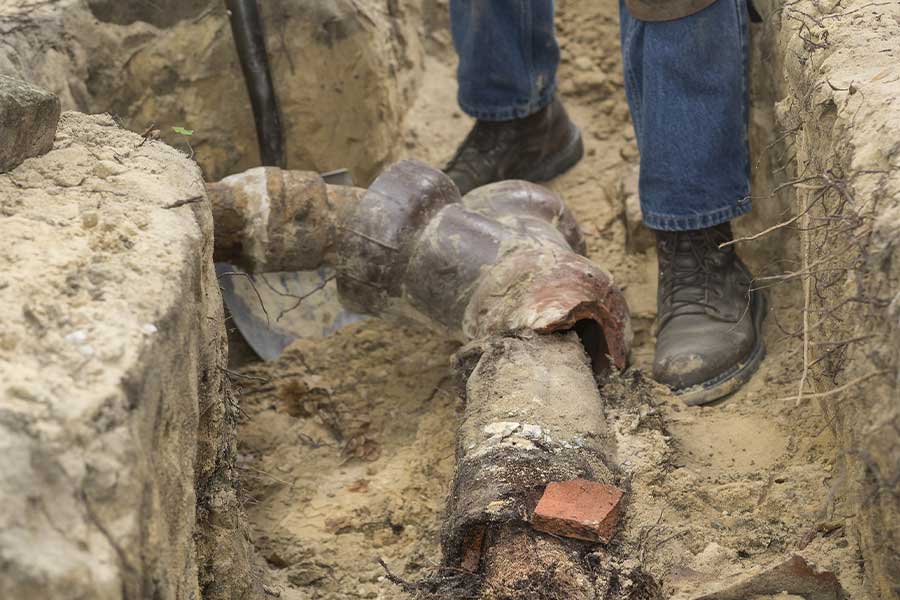
When rainy weather hits Fort Worth, your sewer line can become a ticking time bomb, ready to release chaos if ignored. By staying vigilant for those telltale signs—like unpleasant odors or gurgling sounds—you can catch problems before they escalate. Think of your plumbing as a lifeline; nurturing it means safeguarding your home and peace of mind. Don’t let the storm cloud your judgment; act swiftly to keep your sewer line flowing smoothly, rain or shine.